
Unveiling the allure of high roller experiences in casinos
Understanding the psychological effects of gambling on decision-making behavior
The Nature of Gambling and Decision-Making
Gambling is a multifaceted activity that combines chance and skill, drawing participants from various backgrounds. When individuals engage in gambling, they are not merely placing bets; they are also making complex decisions influenced by cognitive biases, emotions, and social factors. Understanding these elements is crucial because they shape how individuals perceive risks and rewards, ultimately impacting their betting behavior and outcomes. For those interested in exploring top-notch gaming options, viphive-ca.com offers an exciting array of games for players everywhere.
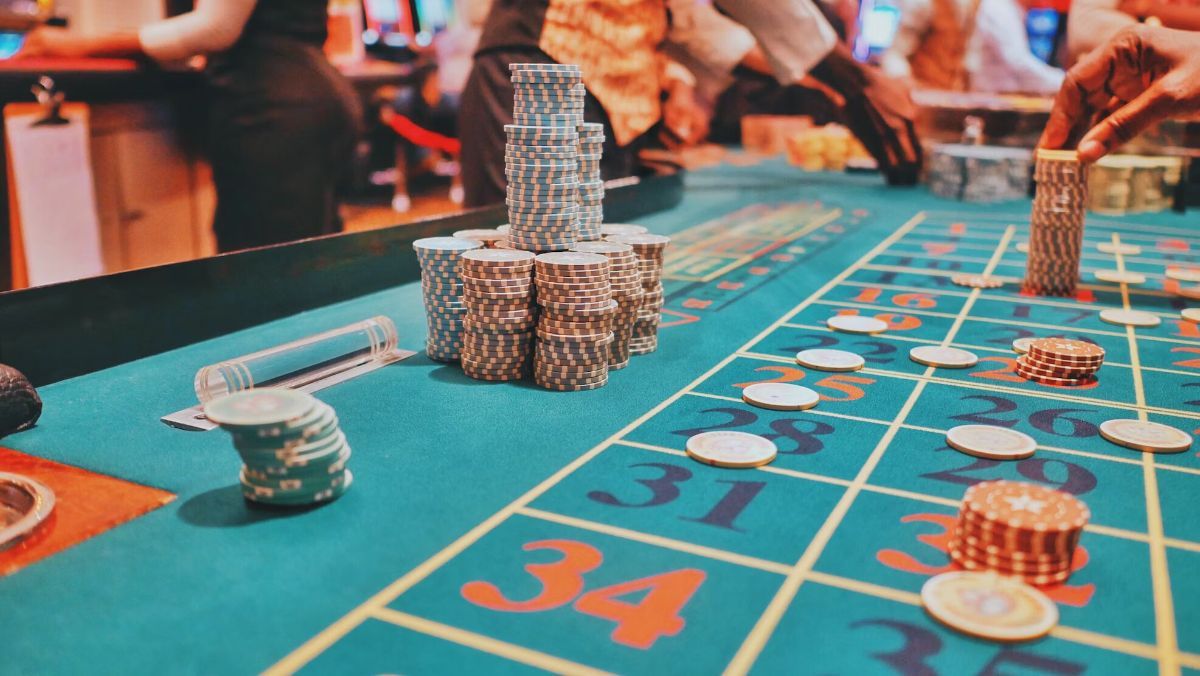
Psychological theories like prospect theory suggest that people evaluate potential losses and gains differently, often leading them to take irrational risks. For instance, a gambler might chase losses—continuing to bet even after experiencing setbacks—in hopes of recovering their initial investment. This behavior illustrates how emotional states can cloud rational decision-making, creating a cycle that can lead to detrimental financial consequences.
Additionally, the environment where gambling occurs can significantly affect decision-making. Factors such as noise, lighting, and the presence of other players can heighten emotions and alter perceptions of risk. Gamblers often find themselves in a heightened state of arousal, which can skew their judgment, leading to impulsive decisions that prioritize immediate gratification over long-term stability.
The Role of Cognitive Biases in Gambling
Cognitive biases play a pivotal role in the decision-making processes of gamblers. One common bias is the illusion of control, where players believe they can influence outcomes in games of chance. For example, a player may think that using a specific strategy will improve their odds in a slot machine or a card game, despite the fact that these outcomes are primarily random. This misconception can lead to repeated bets, further entrenching the gambler in their behavior.
Another significant bias is the gambler’s fallacy, where individuals mistakenly believe that past outcomes will influence future results. For instance, if a roulette wheel lands on red several times in a row, a player might feel that black is “due” to win next. This irrational thinking can lead to poor decision-making and increased betting, ultimately propelling individuals deeper into a cycle of loss.
Over time, these biases can create a distorted perception of risk and reward. Gamblers may start to see themselves as invincible or due for a win, ignoring the statistical realities of their situation. This skewed perception can erode their financial stability and lead to compulsive gambling behaviors, complicating their ability to make sound decisions in both gambling and everyday life.
The Emotional Impact of Gambling
The emotional component of gambling is profound and can significantly influence decision-making. Many people gamble as a form of escapism, using it to cope with stress, anxiety, or depression. This emotional reliance can lead to impulsive decisions driven more by immediate emotional relief than rational thought. Gamblers often chase high-stakes outcomes to experience temporary emotional highs, which can lead to destructive financial consequences.
As emotions like excitement, frustration, or despair can cloud judgment, individuals may find themselves making decisions that contradict their better judgment. For example, someone who has lost a significant amount may continue to gamble in hopes of recouping losses, further exacerbating their situation. This emotional rollercoaster can create an addictive loop where the thrill of gambling becomes a primary source of emotional satisfaction, pushing rational decision-making to the background.
Moreover, the stigma associated with gambling addiction can prevent individuals from seeking help, trapping them in a cycle of emotional distress and poor decision-making. This cycle often reinforces feelings of isolation and shame, making it increasingly difficult to break free from the grip of gambling-related issues.
The Social Dynamics of Gambling
Social influences can significantly affect gambling behaviors and decision-making processes. For instance, social groups and peer pressure can normalize gambling activities, encouraging individuals to participate in high-stakes environments where risky decisions are commonplace. This social acceptance can blur the lines between recreational gambling and problematic behavior, making it harder for individuals to recognize when their decisions become harmful.
Additionally, gambling is often marketed as a social activity, with casinos and online platforms promoting communal experiences that entice individuals to take risks in groups. This dynamic can amplify feelings of competition and urgency, leading to rapid, impulsive decisions that may not occur in solitary settings. Social interactions during gambling can create a sense of urgency, compelling individuals to act without fully weighing the potential consequences.
Understanding these social dynamics is vital for recognizing how they can lead to poor decision-making. For example, someone may feel pressure to keep up with friends at a casino, leading them to gamble more than they initially intended. This social environment often perpetuates a cycle where individuals feel compelled to gamble not just for enjoyment but also to fit in, making it difficult to step back and assess their behavior critically.

Exploring Responsible Gambling and Support
As awareness of the psychological effects of gambling on decision-making increases, so does the importance of promoting responsible gambling practices. Organizations and platforms like VipHive Casino Canada aim to create an environment that encourages safe gambling behaviors. Providing players with the tools and resources needed to make informed decisions is essential for mitigating the risks associated with gambling.
Educational initiatives focusing on cognitive biases, emotional impacts, and social influences can empower players to recognize potentially harmful patterns in their behavior. With resources like self-assessment quizzes and budget tracking tools, gamblers can develop greater awareness of their decision-making processes, fostering a more balanced relationship with gambling.
Moreover, support systems are crucial for those who may struggle with gambling addiction. Establishing access to counseling and support groups can offer individuals a lifeline, allowing them to confront their challenges and make healthier decisions. By emphasizing responsible gambling and providing essential resources, platforms like VipHive aim to enhance the overall gaming experience while prioritizing player well-being.
Related posts